
A well-designed CCTV security system relies on high-quality components that work seamlessly together. From the Digital Video Recorder (DVR) to the cables and connectors, each part plays a crucial role in ensuring the system functions optimally. Below is a brief overview of the essential components that form the backbone of any CCTV setup:
Key Features
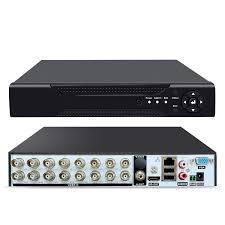
1. DVR (Digital Video Recorder)
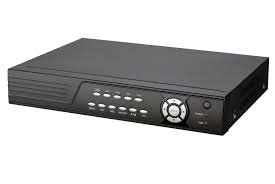
The DVR is the heart of any analog CCTV system, responsible for recording, storing, and managing video footage from CCTV cameras. It converts analog video signals to digital format for easy storage and retrieval, allowing you to monitor, review, and back up footage.
- High-Resolution Recording: Supports various video resolutions (up to 4K in some models).
- Remote Access: Allows you to view live and recorded footage from any internet-enabled device.
- Multiple Channel Support: Can manage footage from multiple cameras simultaneously, making it ideal for both small and large-scale installations.
- Motion Detection & Alerts: Includes motion-triggered recording, saving storage space and providing timely alerts.
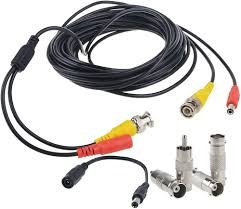
2. CCTV Cable
CCTV cables are used to connect cameras to the DVR, ensuring a reliable and high-quality transmission of video and power signals. There are different types of cables (e.g., coaxial, CAT5/6 for IP systems), with each designed to carry video, audio, and power over varying distances.
Key Features
- Coaxial Cable (for Analog Systems): Typically used for analog CCTV systems, carrying both video and audio signals.
- Ethernet Cable (for IP Systems): CAT5/6 cables provide network connectivity and power to IP cameras (especially if using Power over Ethernet – Poe).
- Durable & Flexible: Weatherproof cables for outdoor installations, designed to withstand the elements.
3. BNC Connector
BNC connectors are essential for connecting coaxial cables to CCTV cameras and DVRs. They ensure a secure and stable connection, minimizing signal loss and providing high-quality video transmission.
Key Features
- Secure Video Connection: Ensures stable video transmission between cameras and DVRs.
- Easy Installation: Simple to attach and detach, providing flexibility during installation and maintenance.
- Durable Design: Designed for long-term use in both indoor and outdoor environments.
4. DC Connector
DC connectors are used to connect CCTV cameras to a power source, delivering the necessary voltage for camera operation. These connectors are critical for ensuring that the cameras receive a stable power supply for reliable operation.
Key Features
- Universal Power Source Compatibility: Compatible with various types of CCTV cameras, offering a consistent power supply.
- Easy to Install: Simple plug-and-play design for quick connections during setup.
- Durable & Safe: Designed to reduce power loss and prevent short circuits.